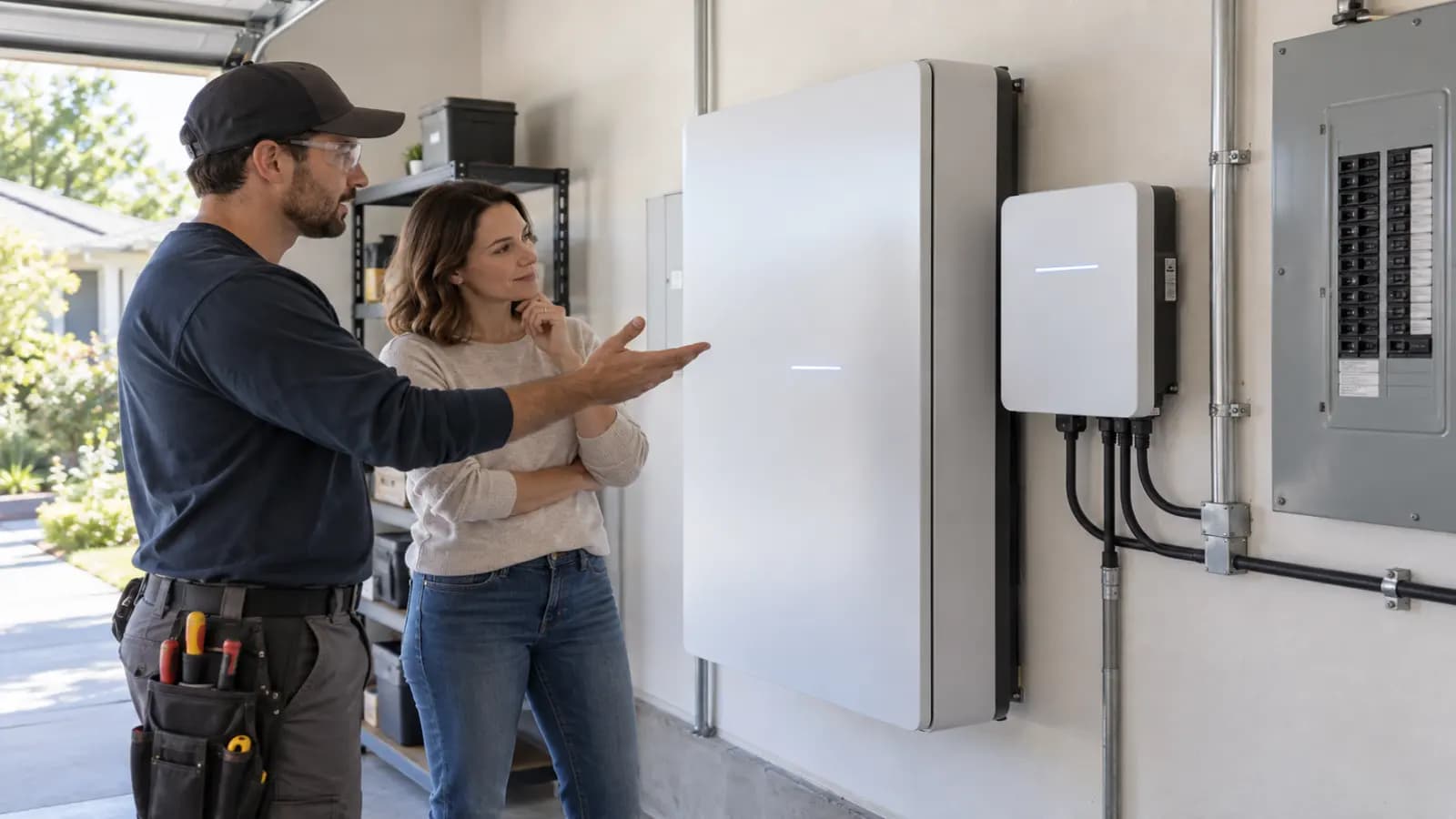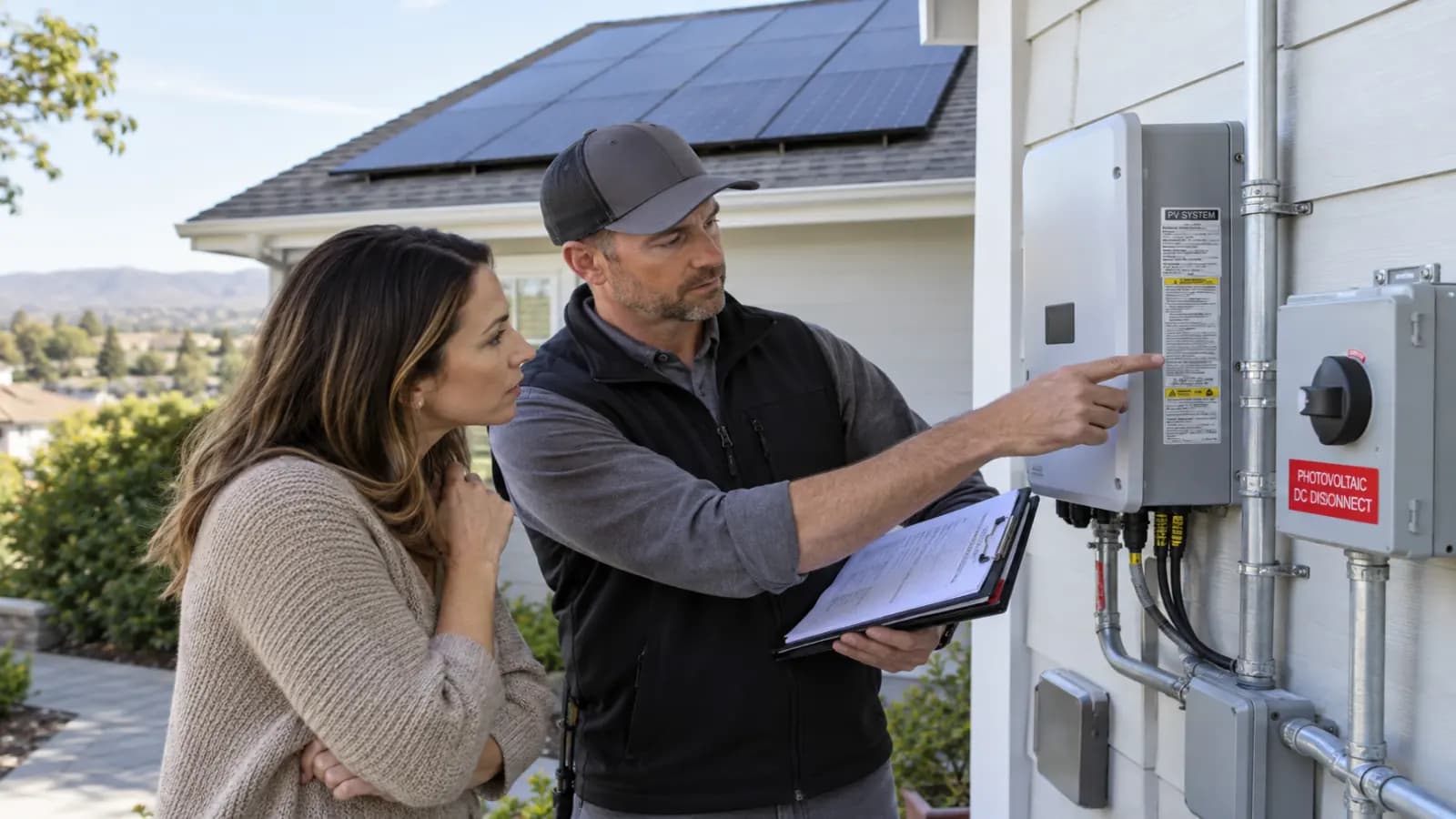
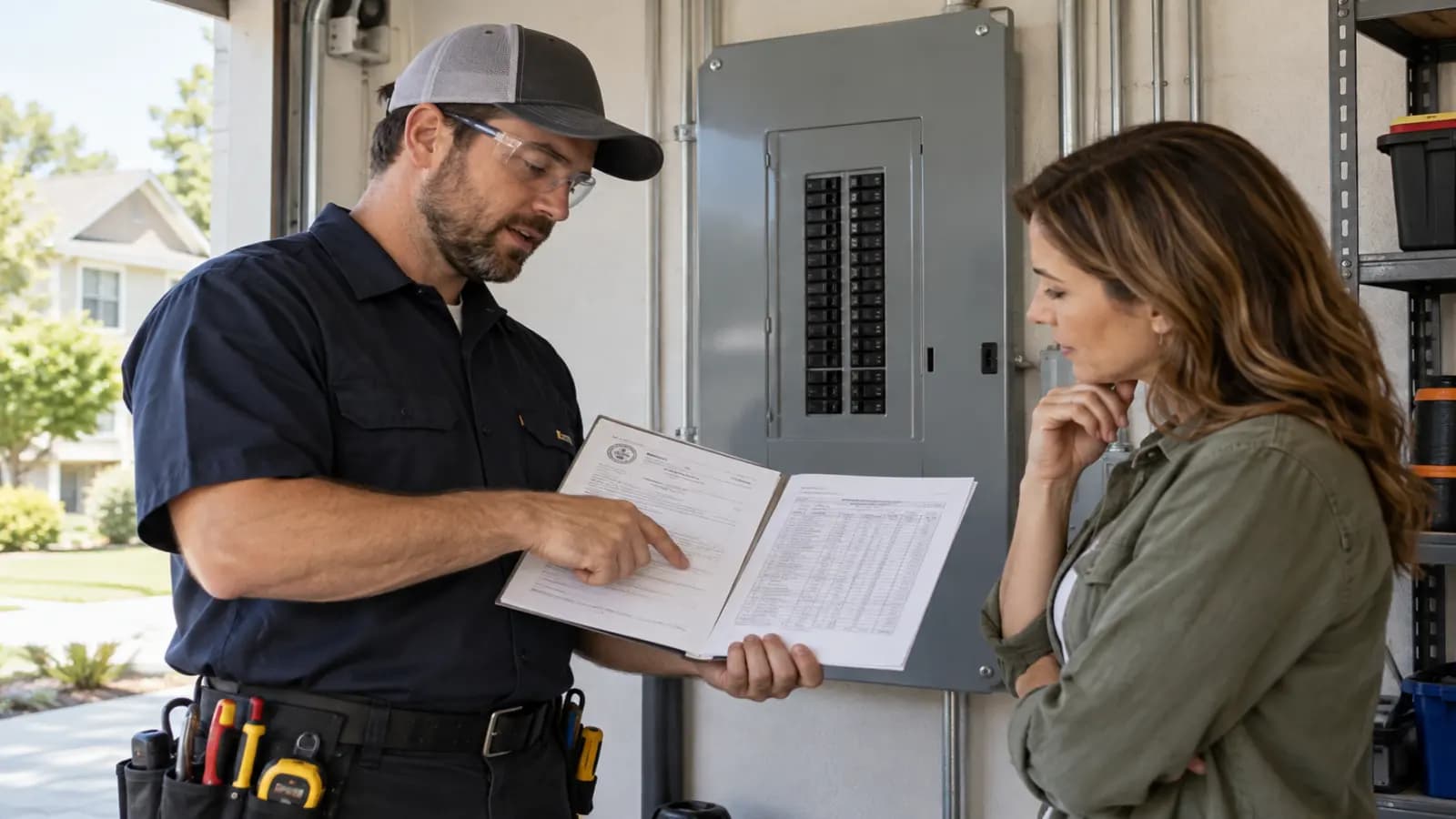
Verify the business and electrical credential, compare a written technical scope, and agree on permits, testing, change orders, payment, and closeout before work begins.
Looking for verified electrical specialists? Check availability in seconds.
Check ZIP code availabilityStart with the authority that governs your address
Electrical licensing and permit systems are not uniform across the United States. A state may license individual electricians, electrical contractors, or both; another may rely on county or city licensing, registration, or permits. Some limited tasks may be exempt while new circuits, service work, generators, solar, EV charging, pools, and major alterations face stricter rules. Begin by asking the local building department or licensing agency what credential and permit apply to your project address.
Then ask each bidder for the exact legal business name, trade name, electrical contractor number, qualifying individual or master electrician where applicable, classification, issuing authority, and expiration date. Verify those facts in the authority’s own records. A business registration, manufacturer badge, union affiliation, or years of experience does not replace the legal credential required for the scope.
1. Who holds the credential, and who will perform the work?
The company selling the job, the person qualifying the business, the supervisor, and the workers entering your home may be different people. Ask whether the crew consists of licensed electricians, journey-level workers, apprentices, trainees, employees, or subcontractors and how required supervision is provided. Titles and ratios vary by jurisdiction; the contractor should explain the lawful arrangement without implying that every worker independently holds the same license.
If a subcontractor will do any portion, obtain its legal name, applicable credential, insurance, scope, and warranty responsibility. Confirm who is accountable for scheduling, safety, inspection corrections, callbacks, and final payment to lower-tier parties.
2. Can I verify insurance for this electrical scope?
Ask for evidence of current commercial general liability and workers’ compensation coverage when applicable. Coverage rules and exemptions differ, so verify relevant information with the carrier, agent, or official state system. Check that the named insured matches the contracting business, the policy dates cover the project, and separate subcontractors are addressed.
Insurance is not a substitute for proper design, a permit, or the contractor’s warranty, and it does not guarantee payment for defective work. Ask your own insurer about substantial service upgrades, generators, batteries, solar, or other changes that may affect property records or coverage.
3. Is a permit required, and who closes it?
Permit requirements are local and depend on scope. Ask who applies, whose credential and name appear on the permit, who pays fees, which inspections occur, and who corrects rejected work. Confirm uncertain or conflicting answers directly with the authority having jurisdiction before signing.
An inspection is a valuable code-compliance checkpoint based on the approved scope and what the inspector can observe. It is not continuous job supervision, a complete concealed-work audit, an engineering certification, or a warranty. Keep the permit, inspection result, approved plans or one-line diagram when relevant, and final sign-off. Avoid an owner-builder permit used merely to bypass contractor requirements because it may shift responsibilities under local law.
4. What problem are you solving, and what evidence supports the diagnosis?
For troubleshooting, ask the electrician to separate the diagnostic fee from repair authorization and document the observed symptoms, tests performed, affected circuit or equipment, conclusion, and options. “Bad wiring” or “old panel” alone is not a useful scope. For recurring trips or heat damage, the repair should address the cause rather than only replace the device that revealed it.
For planned work, provide the same requirements to each bidder: equipment loads, locations, future plans, finish constraints, and owner-supplied products. Ask which assumptions remain unverified and what conditions would trigger a change order.
5. Does this project need a load calculation or engineering?
A load calculation is relevant when work adds substantial load, changes feeders or service equipment, or otherwise requires capacity verification under the adopted code. It is not automatically necessary for every like-for-like device replacement. Empty panel spaces show physical room, not electrical capacity; a panel label or service size alone does not prove that a new EV charger, heat pump, range, hot tub, or addition can be supplied.
Ask for the calculation method, inputs, existing and proposed load, service and feeder ratings, and resulting recommendation. If bids disagree, have each electrician explain whether lower equipment demand, load management, a new circuit or feeder, a subpanel, service work, or utility coordination is appropriate. Some complex projects require an electrical engineer or utility study; clarify who provides and pays for it.
6. What exactly is included in the technical scope?
The proposal should identify equipment by manufacturer and model or defined performance, circuit and breaker requirements, conductor and raceway method, approximate route, boxes, devices, grounding and bonding work, labeling, protection, controls, demolition, patching, testing, commissioning, and code corrections included. Avoid accepting a one-line price such as “upgrade panel” without the service, meter, disconnect, grounding, utility, feeder, circuit, and restoration boundaries.
Existing electrical equipment must be evaluated for compatibility, condition, rating, and listing. A breaker should be identified for the panel it enters, and owner-supplied equipment should be approved for the location and intended use. Do not direct the contractor to reuse components merely to lower price without a written assessment.
Exact equipment, ratings, listings, controls, and owner-supplied items
New and reused breakers, panels, disconnects, wiring, raceways, boxes, and devices
Routing through attics, crawlspaces, walls, exterior surfaces, trenches, or detached structures
Grounding, bonding, surge protection, labeling, directories, and required protective devices
Utility shutdown, meter work, temporary power, outage duration, and reconnection responsibility
Drywall, paint, masonry, firestopping, landscaping, and cleanup boundaries
Testing, commissioning, inspection corrections, photographs, and owner instruction
7. How will energized work and household safety be managed?
Ask when power will be off, which circuits will be unavailable, and what occupants must do before work. Inform the electrician about medical equipment, sump or well pumps, refrigeration, security systems, home offices, tenants, children, pets, and any generator, battery, solar, or transfer equipment. Arrange a safe continuity plan rather than improvising extension cords or generators indoors.
Homeowners do not need to direct electrical work methods, but they can ask whether the contractor has identified arc-flash, shock, fall, confined-space, asbestos, lead, and other project hazards. Keep people out of the work zone and do not reenergize, remove barriers, or operate incomplete equipment.
Electrical work that disturbs painted surfaces in pre-1978 housing may fall under the EPA Renovation, Repair and Painting Rule unless an exception applies. EPA specifically includes electrical work among potentially covered activities. Ask whether the firm has the required EPA or authorized-state certification, who the certified renovator is, and how dust will be contained and cleaned.
8. How are price, payment, and change orders controlled?
Determine whether the proposal is fixed price, time-and-materials, or diagnostic work followed by authorization. Ask about trip fees, minimum labor, crew rates, material markup, permit and utility charges, equipment rental, after-hours work, tax, and exclusions. A low bid may omit restoration or utility work rather than deliver the same project more efficiently.
Deposit limits and home-improvement contract rules vary. Do not pay the full amount upfront. Tie lawful progress payments to defined, inspectable milestones, make payments to the legal contracting business, obtain receipts, and reserve final payment until contracted work, required inspection, testing, cleanup, and closeout are complete.
Every change order should state the newly discovered condition, revised work, added or reduced price, and schedule effect before extra work begins, except immediate action needed to address a genuine danger. Photograph concealed conditions when safe and request approval records.
9. What testing, warranty, and closeout documents will I receive?
Before work begins, define how completion will be demonstrated. Depending on scope, that may include functional operation, correct circuit and panel labeling, protective-device testing, equipment commissioning, manufacturer startup documentation, utility authorization, and inspection approval. A homeowner should not be asked to accept “power is on” as the only closeout test for a complex project.
Separate the contractor’s labor warranty from product warranties. Record the term, covered failures, exclusions, service charges, response process, transfer provisions, and who registers equipment. At final payment, collect the signed contract and changes, paid invoice, permit and inspection record, load calculation or diagram when applicable, equipment model and serial numbers, settings, photographs, manuals, and warranties.
Red flags before electrical work starts
Pause when the contractor benefits from preventing verification, inspection, or documentation. One concern may have an explanation; a pattern justifies another bid.
A practical comparison example
Imagine three quotes for an EV charger. One includes a load calculation, listed energy management, permit, surface conduit, charger commissioning, and patching exclusion. Another includes a full service upgrade but does not identify utility or meter costs. The third says only “install customer charger.” These are not three prices for the same scope.
Ask the first contractor to explain the managed-load operation, the second to document why the service upgrade is needed and complete its boundaries, and the third to provide a real proposal. Compare safety and capacity assumptions before choosing a total.
The bottom line
A strong electrician bid connects a verifiable legal business and appropriate credential to the people, permit, design, equipment, testing, payment, and warranty. Licensing and inspection reduce risk, but neither replaces a complete written scope or competent execution.
If you need electrical work, submit your ZIP code and project details to request a free match with independent local electricians. Verify every provider and permit requirement with the relevant authority before hiring; there is no obligation to choose a matched provider.
Frequently asked questions
How do I verify an electrician's license?
First ask the local building or licensing authority which credential applies to your address and scope. Then verify the exact legal business name, contractor number, qualifying individual where applicable, classification, status, expiration, and published discipline in that authority's official records.
Does all electrical work require a permit?
No single nationwide rule applies. Requirements depend on jurisdiction and scope; limited like-for-like work may be exempt while new circuits, service work, generators, EV charging, pools, solar, and major alterations commonly receive closer regulation. Confirm with the local authority rather than relying only on a bidder.
What does an electrical inspection guarantee?
It provides an independent code-compliance checkpoint for the permitted scope and observable work. It does not provide continuous supervision, expose every concealed condition, certify engineering beyond the inspection role, guarantee future performance, or replace contractor and manufacturer warranties.
When should an electrician provide a load calculation?
It is commonly relevant when adding substantial electrical load or changing service or feeder equipment, subject to adopted code and local requirements. Ask for the method, inputs, existing and proposed load, ratings, and result when capacity affects the design. It is not automatically required for every minor replacement.
What should be in an electrical work contract?
Include the legal parties, exact scope and equipment, routing and restoration, permit and utility responsibilities, schedule and outages, price method, exclusions, payment milestones, change-order rules, testing, inspection correction, warranties, and final documents.
GetLocalExperts is a free matching service and is not the contractor. Verify licensing and insurance with the issuing state board or insurer before hiring, and keep the permit and inspection records with your closing documents.
Sources and further reading
- How To Avoid a Home Improvement Scam — Federal Trade Commission
- Checklist to Ask Your General Contractor — Federal Emergency Management Agency
- Renovation, Repair and Painting Program: Contractors — U.S. Environmental Protection Agency
- Understanding Your Home Electrical System — Electrical Safety Foundation International
- Electrical Safety Dos — Electrical Safety Foundation International
- Guide to Home Wiring Hazards — U.S. Consumer Product Safety Commission
This guide was researched and reviewed by the GetLocalExperts Editorial Team against primary regulatory benchmarks, state contractor licensing board standards, and FTC consumer protection guidelines.